
PRIORITISING WELLBEING HAS HELPED THIS DIRECTOR PERFORM AT HIS BEST?
When organisations talk about workplace wellbeing, the focus is usually on employees.
How do we improve engagement? How do we reduce absence? How do we support our people?
They're important questions. But there's another question business leaders should ask themselves first:
What example are we setting?
Because workplace wellbeing doesn't start with policies - It starts with people. And the behaviours leaders demonstrate every day often shape workplace culture more than any wellbeing initiative ever could.
The Challenge Many Leaders Face
Running a business or leading a team comes with significant demands. There are targets to hit, clients to support, employees to manage and decisions to make. So when time becomes limited, personal wellbeing is often one of the first things sacrificed.
Exercise becomes inconsistent.
Recovery takes a back seat.
Stress levels rise.
Energy levels gradually decline.
The problem is that leaders often view these sacrifices as part of the job. But by ignoring them, they are making it significantly harder to perform at the level their role requires.
A Different Approach
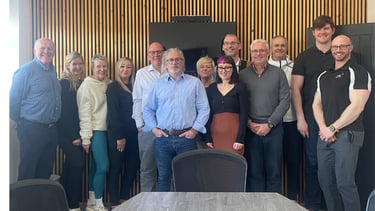
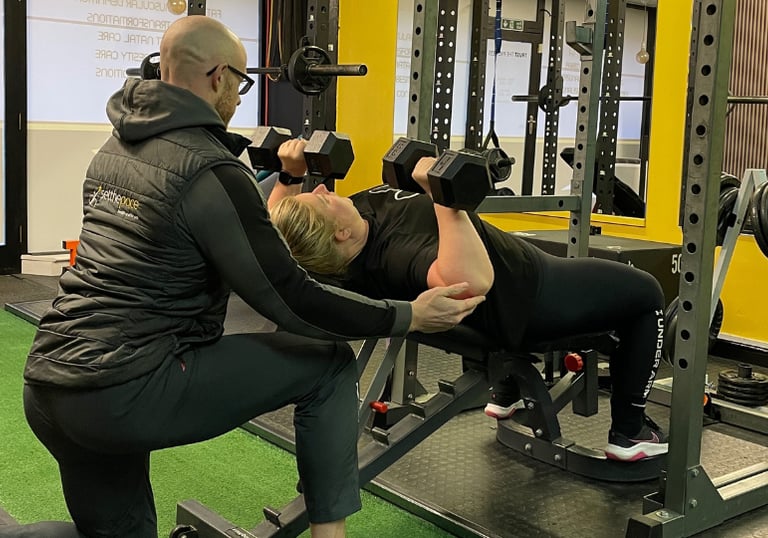
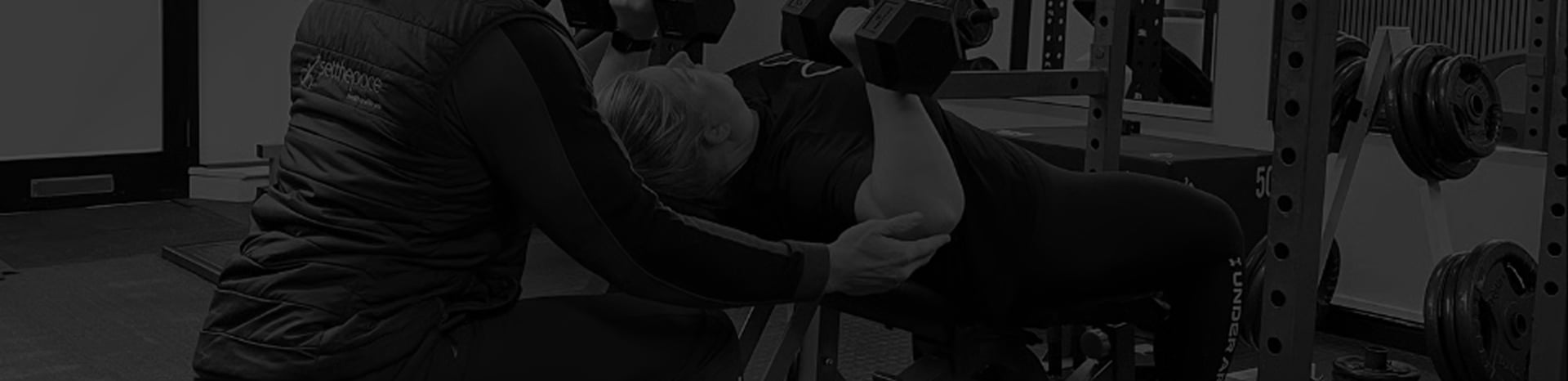
Earlier this year, Carter Burnett joined our Workforce Wellbeing Programme, and since then I’ve had the opportunity to work closely with one of their directors Jon-Paul Burnett.
Like many business leaders, Jon-Paul was balancing multiple responsibilities. And being a keen gym-goer already, was also working towards a long-term physical goal he had been pursuing for several years.
In our first conversation, we mapped out a structure that would allow him to commit to this goal, rather than it being something to do only when time allowed - without it impacting on his working life.
Ultimately, it was to build sustainable habits that would support both wellbeing and performance.
The Results Went Beyond Physical Health
Since then, Jon-Paul has developed healthier daily habits, improved his energy levels and strengthened his ability to manage the demands of both work and home life.
Most importantly, he reported feeling able to perform more consistently without feeling constantly drained - which is an important distinction.
Many people view wellbeing as something separate from performance. But in reality, the two are often closely connected.
When energy improves, focus often improves.
When recovery improves, resilience often improves.
When stress is managed more effectively, decision-making and productivity often benefit too.
Why This Matters For Businesses
Improving your health and wellbeing as a business leader can have a direct impact on the rest of your teams performance.
If leaders regularly talk about wellbeing but visibly neglect their own, the message can lose credibility. However, when leaders actively prioritise their health, energy and wellbeing, like Jon-Paul has, they demonstrate that performance and wellbeing are not competing priorities - they are complementary.
This creates permission for others within the organisation to do the same. And over time, this can contribute to healthier workplace cultures, improved engagement and more sustainable performance across teams.
Leading From The Front
One of the most valuable aspects of Jon-Paul's journey has been the example it sets.
Not because he achieved a specific physical goal.
Not because he followed a particular programme.
But because he demonstrated that prioritising wellbeing is compatible with high performance.
In many businesses, leaders are viewed as role models whether they intend to be or not.
The standards they set influence behaviour throughout the business. Which is why workplace wellbeing must start with leadership wellbeing. And not through words...but through actions.
Key Takeaways For Business Leaders
If you want to create a healthier, higher-performing workplace, start by looking at leadership behaviours.
Ask yourself:
Do leaders visibly prioritise their own wellbeing?
Are healthy habits encouraged through action as well as words?
Is sustainable performance valued as much as short-term output?
What example is leadership setting for the rest of the organisation?
Because wellbeing doesn't sit alongside performance - it helps drive it.
And when leaders lead from the front, everyone benefits.




explore our other services
Subscribe to our newsletter
By signing up, you will receive exclusive tips, advice and more straight to your inbox.